
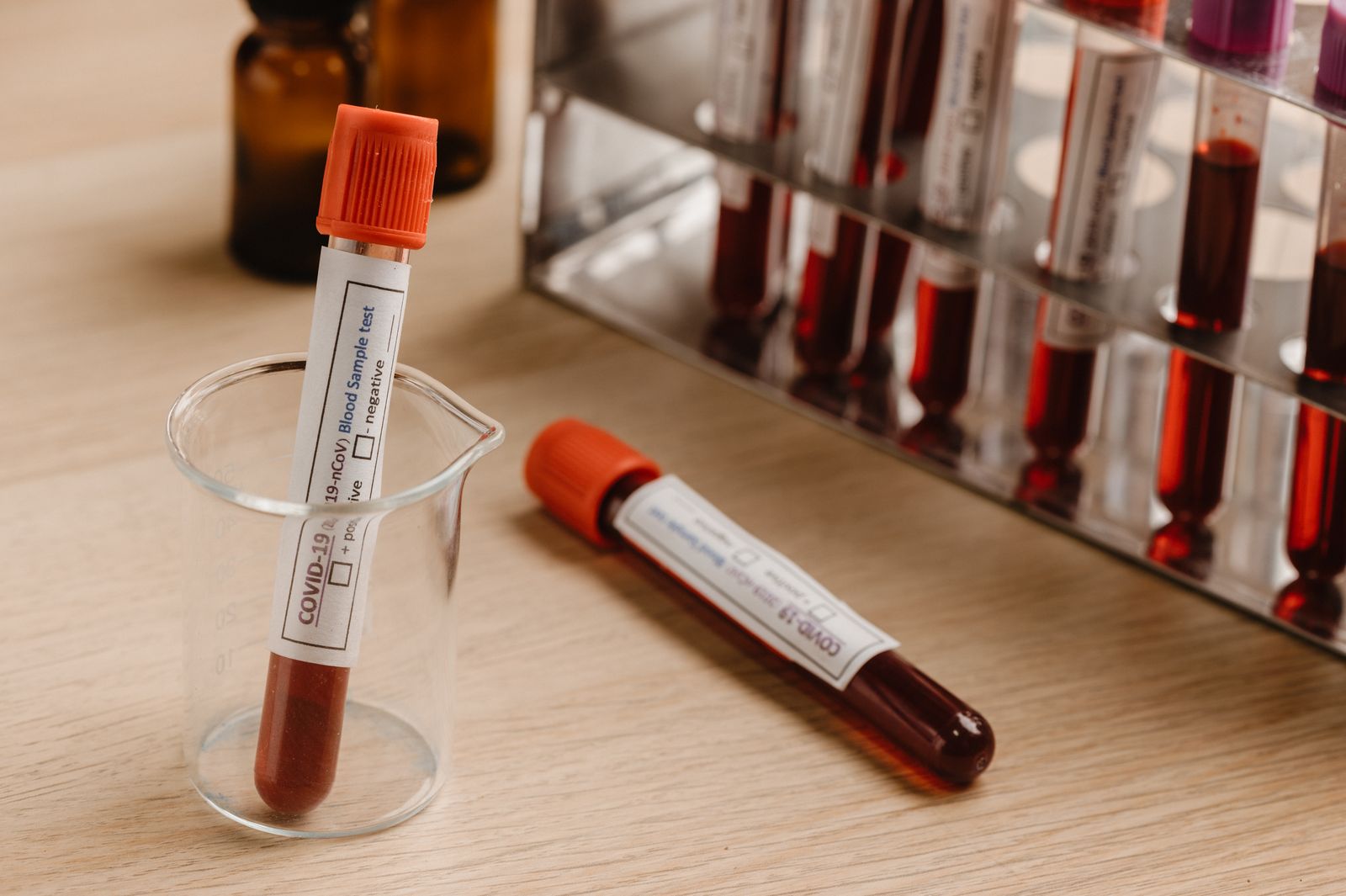
A complete blood count, commonly called a CBC, measures several important components of blood. Doctors use it as part of routine checkups and when evaluating a wide range of symptoms.
Red blood cells and hemoglobin
Red blood cell measurements help describe the cells that carry oxygen around the body. Hemoglobin and related indices can provide useful information when a clinician is assessing conditions such as anemia.
White blood cells
White blood cells are part of the immune system. A CBC reports the total count and may include a differential showing different white-cell groups. Results can change for many reasons, so they should be interpreted in clinical context.
Platelets
Platelets support normal blood clotting. A platelet count can be useful when a clinician is evaluating bleeding, bruising or other medical concerns.
How should you read a CBC report?
Reference ranges are helpful, but a result slightly outside a range does not automatically mean there is a disease. Age, sex, medicines, recent illness and many other factors can affect results. Discuss abnormal findings with the clinician who requested the test.
Patient note: Contact SMDC if you need information about sample collection, preparation or report availability.