
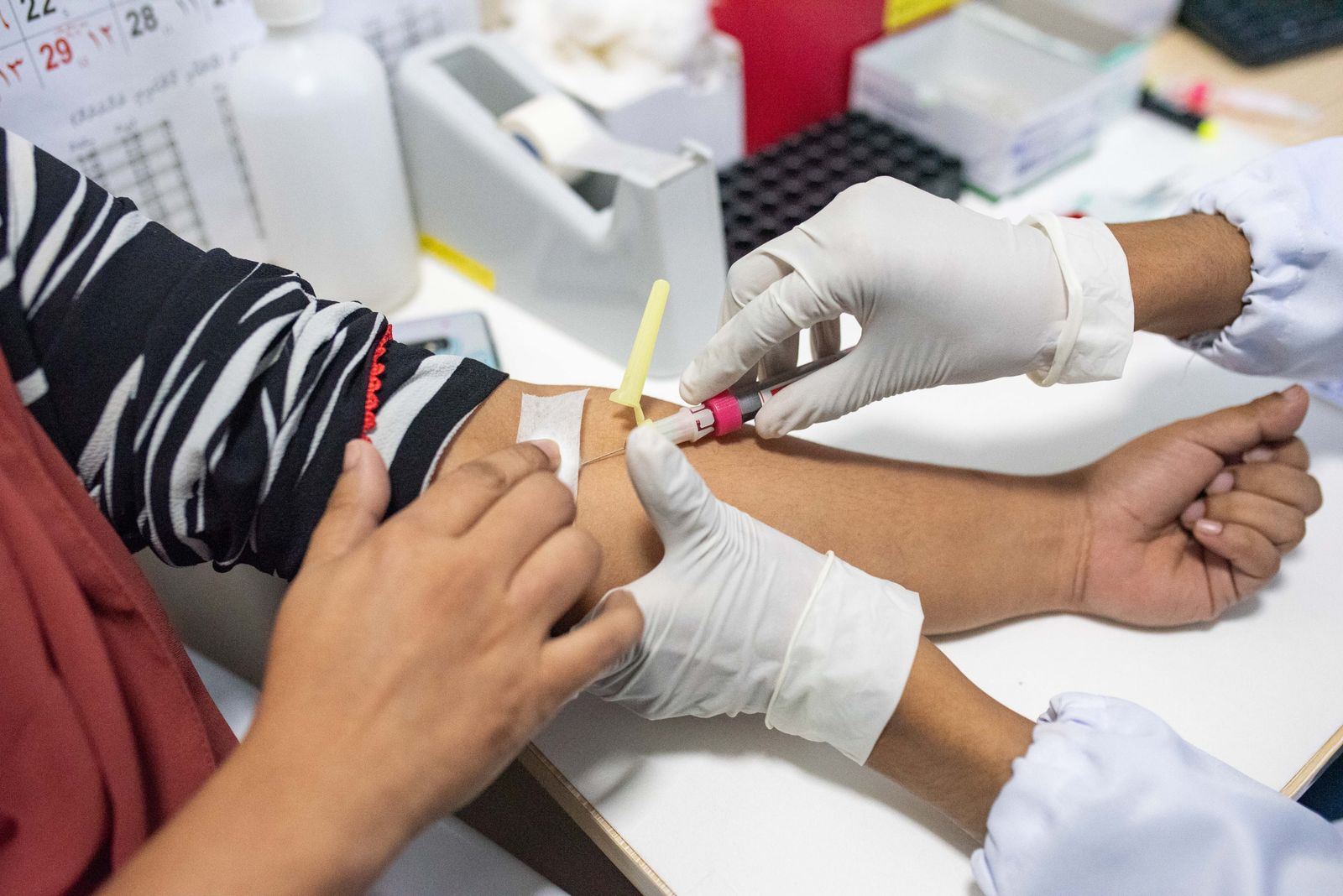
Patients often ask whether they should stop eating before a blood test. The correct answer depends on the investigation your clinician has requested. Some tests are affected by recent food intake, while many routine tests can be performed without fasting.
What does fasting mean for a laboratory test?
When fasting is required, you are usually asked to avoid food and calorie-containing drinks for a defined period. Plain water is often permitted, but instructions can differ depending on the test, your medicines and your medical history.
Tests that may require fasting
Some glucose and lipid investigations may require fasting depending on the clinician’s request and the laboratory method being used. Other investigations, including many complete blood counts and routine tests, often do not require fasting.
Do not guess your preparation
Preparation errors can delay testing or affect interpretation. If your prescription is unclear, send a photo to SMDC on WhatsApp or call before visiting. Our team can confirm the preparation information available for your requested test.
What about medicines?
Do not stop prescribed medicine unless your treating clinician has told you to do so. If a test has medicine-specific timing requirements, confirm them with the clinician managing your treatment.
Patient note: This article provides general educational information and does not replace advice from your doctor or laboratory professional.